Planning a sporting event involves hundreds of moving parts. From coordinating participants and managing the course to working with sponsors and promoting future events, there is a lot to think about before the starting gun goes off.
One area that deserves attention early in the planning process is photography and video coverage.
Whether you're organising a half marathon, ultra-marathon, triathlon, cycling sportive or large-scale sailing event, the right visual coverage can help you tell the story of your event, demonstrate value to sponsors, engage participants and build momentum for the next edition.
At Clark Creative, we provide photography, videography and drone services for sporting events, with flexible options ranging from a solo photographer or videographer to a coordinated team covering multiple locations.
In this guide, we'll explore how to plan your event's visual coverage, what to consider when choosing a photographer or production team, and how to get the most value from your imagery and video after the event.
1. Start With What You Need the Content to Achieve
Before booking a photographer or videographer, think about how you intend to use the content.
It sounds straightforward, but the answer will influence everything from the number of people you need on the ground to the locations they should cover and the type of equipment required.
For some events, the priority might be capturing memorable moments for participants. For others, it could be creating promotional content for the next event, demonstrating sponsor exposure or producing a highlight film for a marketing campaign.
Common objectives include:
Promoting future events: Show potential participants what makes the experience worth signing up for.
Supporting sponsors: Capture sponsor branding, activations, hospitality and audience engagement.
Creating social media content: Produce a selection of engaging photographs and video clips for use across digital channels.
Documenting the event: Record key moments, competition, atmosphere and the people behind the scenes.
Building a library of marketing assets: Create a collection of images and footage that can be used throughout the year.
Engaging participants: Celebrate personal achievements, team spirit and the experience of taking part.
You don't necessarily need separate coverage for each objective. With the right planning, a well-organised shoot can deliver content that serves several purposes.
The important thing is to identify your priorities before the event, rather than trying to work them out afterwards.

2. Decide Which Moments and Locations Matter Most
A sporting event rarely happens in one place.
A marathon might involve a start area, multiple points along the course, sponsor activations, a finish line and a post-race celebration. A triathlon adds swim, bike and run disciplines, often spread across a much wider area.
Trying to cover every location with one photographer can be unrealistic, particularly when key moments happen simultaneously.
Start by mapping out your event and identifying the moments that matter most.
Depending on the sport, these might include:
Registration and pre-event preparation.
The start line and opening moments of the race.
Competitors in action at key points along the course.
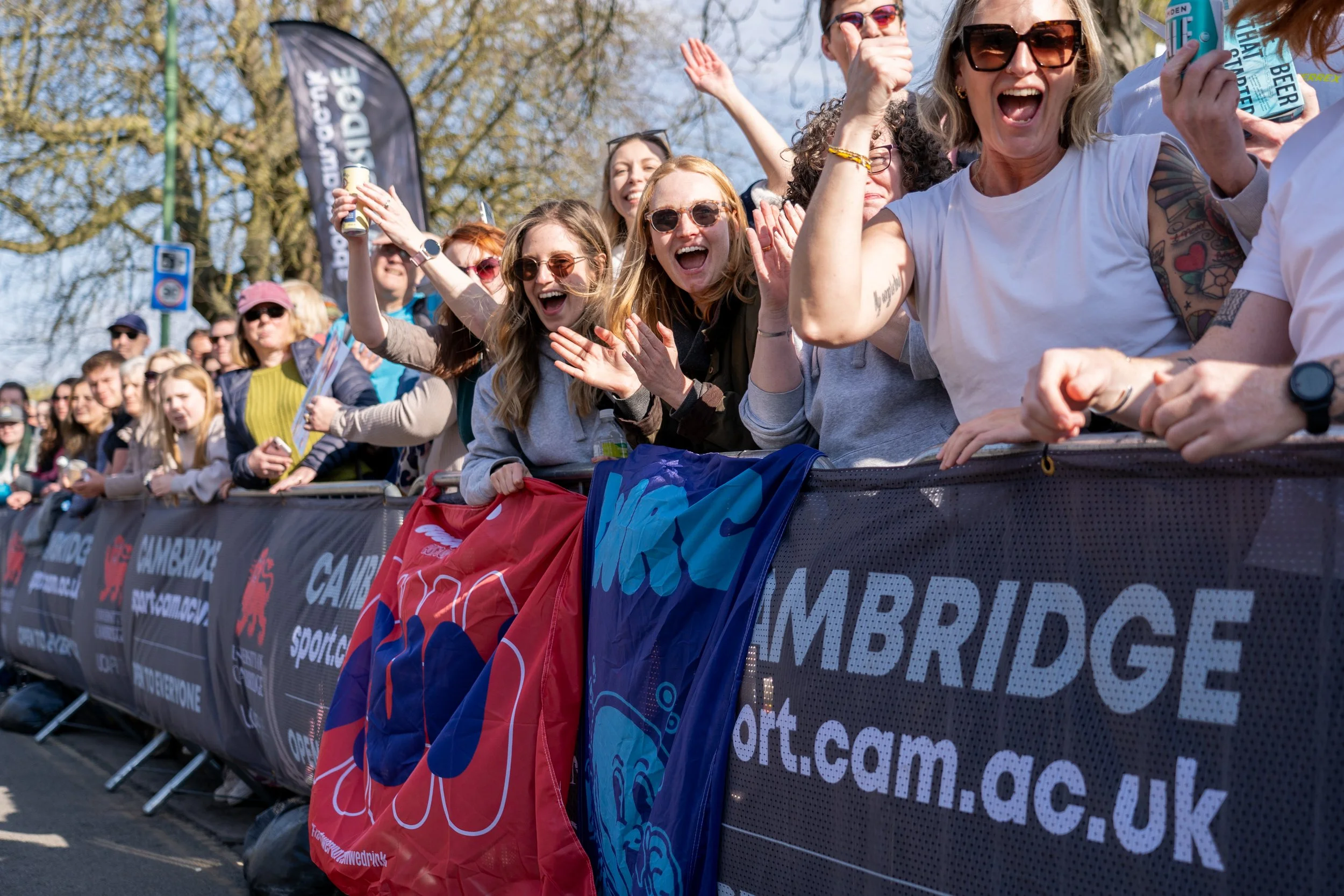
Spectators, volunteers and the atmosphere around the event.
Sponsor branding and activation areas.
Leading competitors and significant sporting moments.
Finish-line celebrations, medals and personal achievements.
Prize-giving, presentations and post-event activities.
Think about the story you want the images to tell. A photograph of a runner crossing the finish line is valuable, but a collection that also captures the atmosphere, scenery, volunteers, spectators and sponsor activity gives you a much broader picture of the event.
A detailed shot list can help everyone understand what needs to be captured and which moments are essential.
It should also allow some flexibility. Sport is unpredictable, and some of the most memorable photographs happen when nobody is following a script.
3. How Many Photographers and Videographers Do You Need?
There isn't a single answer. The right team depends on the size of the event, the number of locations, the timetable and the content you want to produce.
When a solo photographer or videographer makes sense
For smaller events, individual races or projects with a clearly defined brief, a solo shooter may be the most practical option.
One photographer can focus on a selection of key moments and locations, producing a targeted collection of imagery. A solo videographer can concentrate on capturing footage for a promotional film, highlight edit or social media content.
This can be an effective approach when the coverage requirements are manageable and the priorities are agreed in advance.
However, if you need photographs of the start, finish, sponsor activations and several points along a long course at the same time, one person may not be able to cover everything.
When you need a team
Larger sporting events often benefit from multiple photographers and videographers working across different locations.
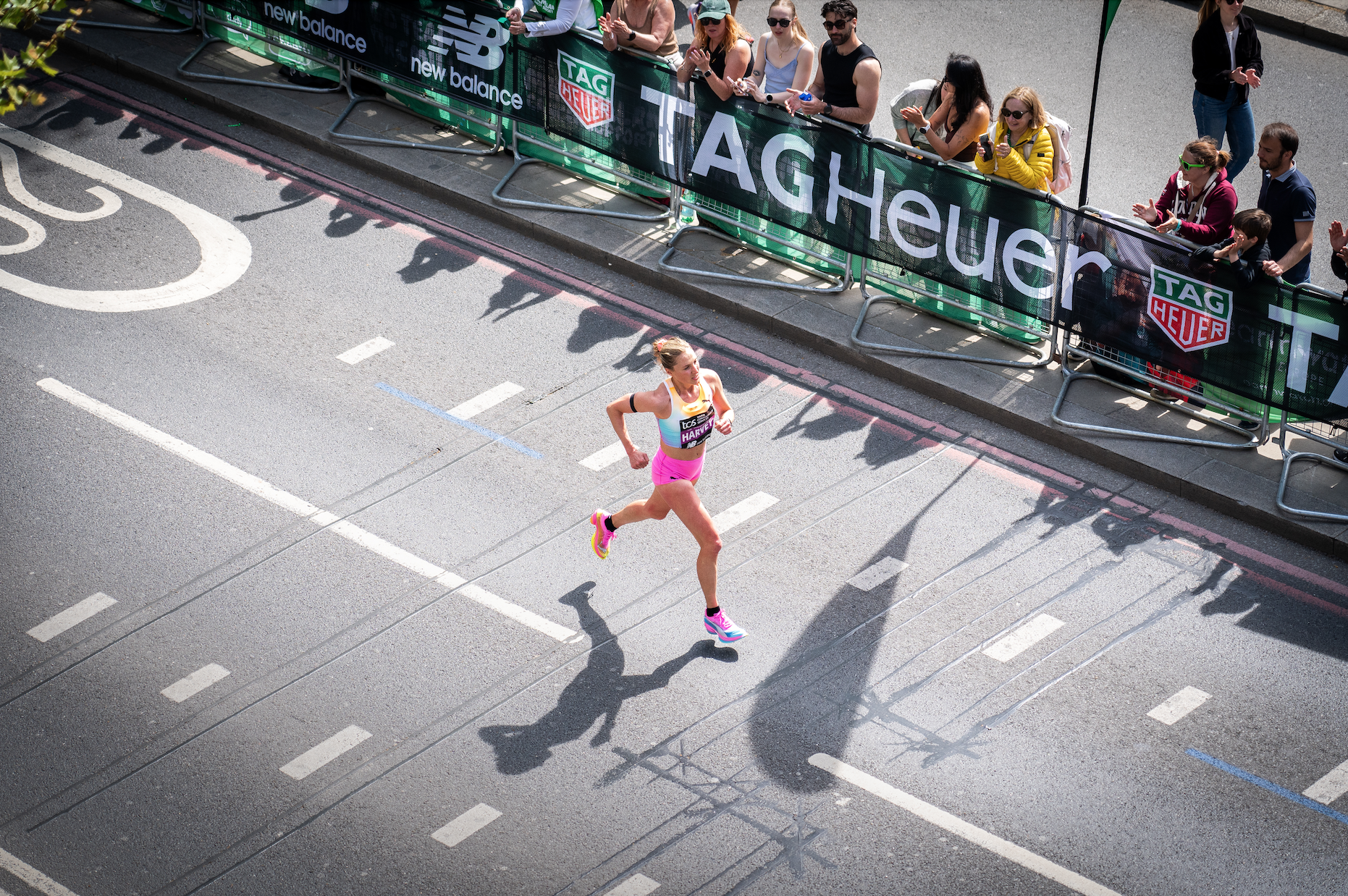
For example, a mass-participation half marathon might require one photographer covering the start, another positioned along the course and a third concentrating on the finish area and celebrations.
Videographers could capture the wider atmosphere, interviews, action footage and material for a highlight film, while a suitably qualified and authorised drone operator may be able to capture aerial perspectives where conditions and permissions allow.
The key is coordination. Each person should have a defined role, an understanding of the schedule and a clear idea of what they are expected to deliver.
At Clark Creative, we can discuss a solo-shooter approach or help assemble a team of photographers, videographers and drone operators to suit the scale and requirements of your event.
Our experience supporting larger events, including the Cambridge Half Marathon, informs the importance of planning coverage around the needs of the event rather than adopting a one-size-fits-all approach.

4. Should You Include Drone Photography and Video?
Drone footage can add a different perspective to sporting event coverage, particularly when the landscape, scale or layout of an event forms an important part of the story.
Aerial photography and video may be useful for:
Showing the scale of a mass-participation event.
Capturing the relationship between an event and its surroundings.
Establishing shots for a promotional film.
Showing suitable sections of a cycling or running route.
Capturing boats, coastlines and the wider setting of a sailing event.
Creating distinctive visual content for future event promotion.
Drone footage works particularly well when combined with ground-based photography and video. Aerial shots can establish the scene, while ground-based coverage captures the human moments, details and emotions that bring the story to life.
However, drone coverage requires careful planning. Airspace restrictions, weather, the operating environment, event permissions and the applicable Civil Aviation Authority requirements all need to be considered.
Flying over participants or crowds is not automatically permitted. Depending on the circumstances, an alternative location or a different approach may be necessary.
For this reason, drone coverage should be discussed early in the planning process rather than treated as something that can simply be added on the day.

5. Plan Your Sponsor Coverage Before Race Day
For many sporting events, sponsors are an important part of the budget and the overall event experience.
Photography and video can help demonstrate the value of those partnerships, but only if sponsor coverage is considered during the planning process.
Start by identifying the partners that need to feature and the commitments you've made to them.
These might include:
Branding on start and finish gantries.
Sponsor signage along the course.
Branded race numbers, medals or participant merchandise.
Exhibition stands and activation areas.
Hospitality areas and guest experiences.
Product demonstrations and sampling.
Interactions between sponsors, athletes and participants.
It's worth creating a simple sponsor shot list and sharing it with your photography and video team before the event.
Where appropriate, capture both wide shots showing the sponsor's presence within the event and closer images that make the branding clear.
Consider how the content will be used, too. A photograph intended for a sponsor's annual report may need to tell a different story from a vertical video designed for social media.
Planning this in advance makes it easier to deliver a useful collection of assets for organisers and partners.
6. Think About Video Deliverables Before the Event
Video can be one of the most versatile assets produced at a sporting event, but the term can mean several different things.
You might need a short highlight film that captures the atmosphere of the day, a collection of social media clips, interviews with organisers or participants, or footage that can be used to promote the next edition.
Each option requires a slightly different approach to filming.
For example, a highlight film benefits from a mixture of wide establishing shots, action footage, close-up details, reactions and moments that communicate the character of the event.
Social media content may require more vertical footage, shorter sequences and a stronger focus on immediately engaging moments.
Interviews need additional planning around suitable locations, audio, background noise and timing.
Before the event, agree on the intended deliverables, the platforms where the content will appear, the preferred formats and any deadlines for delivery.
If you need content published during or immediately after the event, discuss this in advance. Fast turnaround may require additional personnel, dedicated editing arrangements or a different production workflow.
7. Agree on Image Delivery, Usage and Turnaround Times
The photography and video shoot is only part of the process. You also need to know what happens after the event.
Before booking, clarify the expected deliverables and how they will be supplied.
Questions worth discussing include:
How many edited photographs are expected?
Will the final images be delivered through an online gallery or another platform?
Will you receive a highlight film, short social clips or both?
When will the first images and final content be available?
Are there any agreed deadlines for press or sponsor requirements?
What usage rights are included for your website, social media, advertising and sponsor communications?
Will sponsors or other partners need permission to use the material?
How will files be stored and supplied for future use?
These details help prevent misunderstandings and ensure the final content is suitable for its intended purpose.
If you need to use the content across multiple channels or share it with partners, explain this when requesting a quote so that the appropriate usage arrangements can be agreed.
8. Brief Your Media Team and Give Them Room to Work
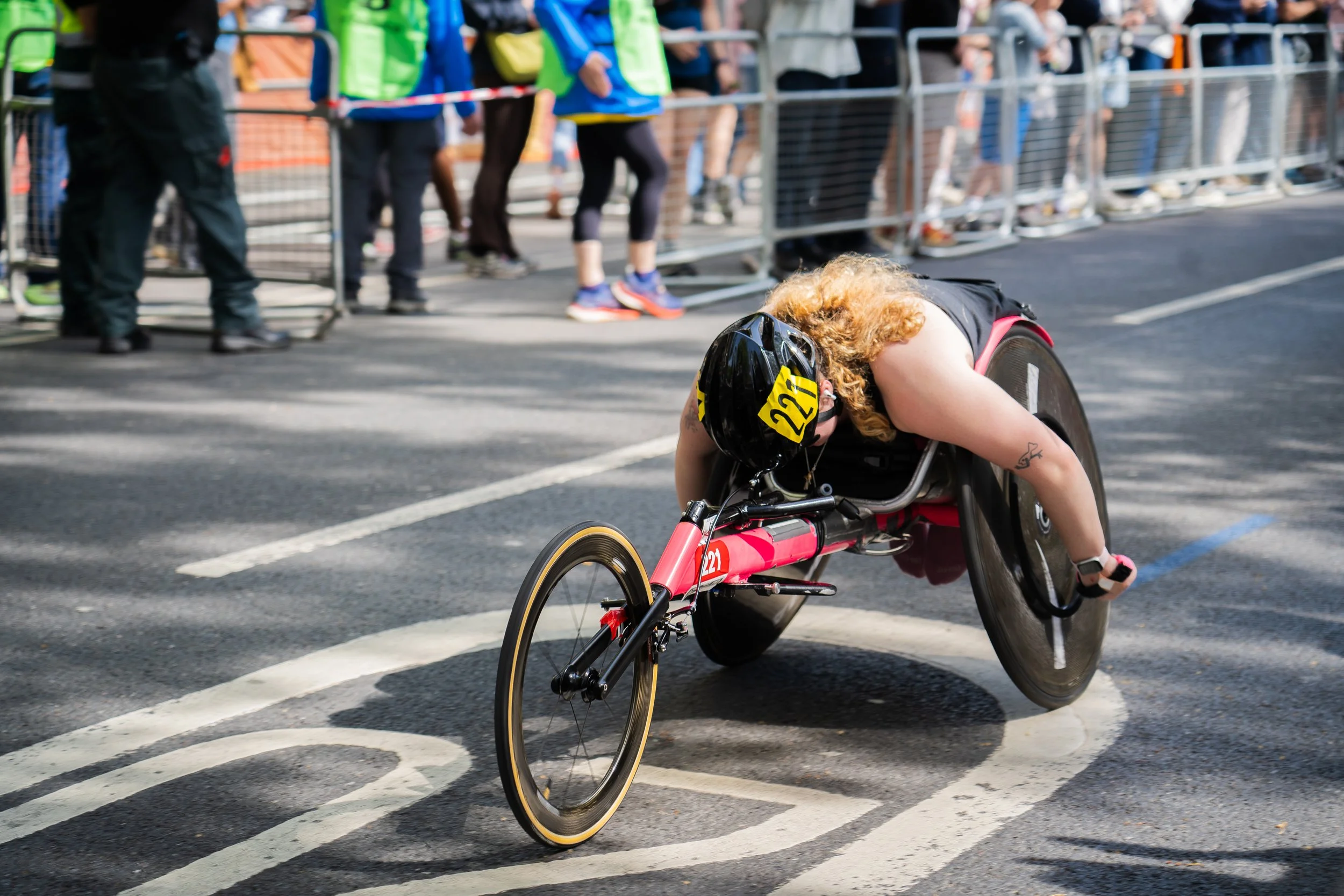
A clear brief helps everyone understand the objectives, but it should not attempt to script every photograph or video clip.
Useful information includes the event schedule, site maps, access arrangements, key contacts, safety requirements, sponsor priorities and any restrictions on where the team can work.
For larger events, it is also helpful to identify a lead contact who can answer questions and communicate changes to the schedule.
Make sure the team understands any areas where access is restricted, where they can safely position themselves and how to move between locations.
At the same time, give your photographers and videographers room to respond to what happens on the day. The brief should establish priorities while allowing them to capture unexpected moments and tell the story naturally.
Good preparation and creative flexibility work together.
9. Make Your Content Work After the Event
Once the event is over, your photography and video can continue to support your organisation for months.
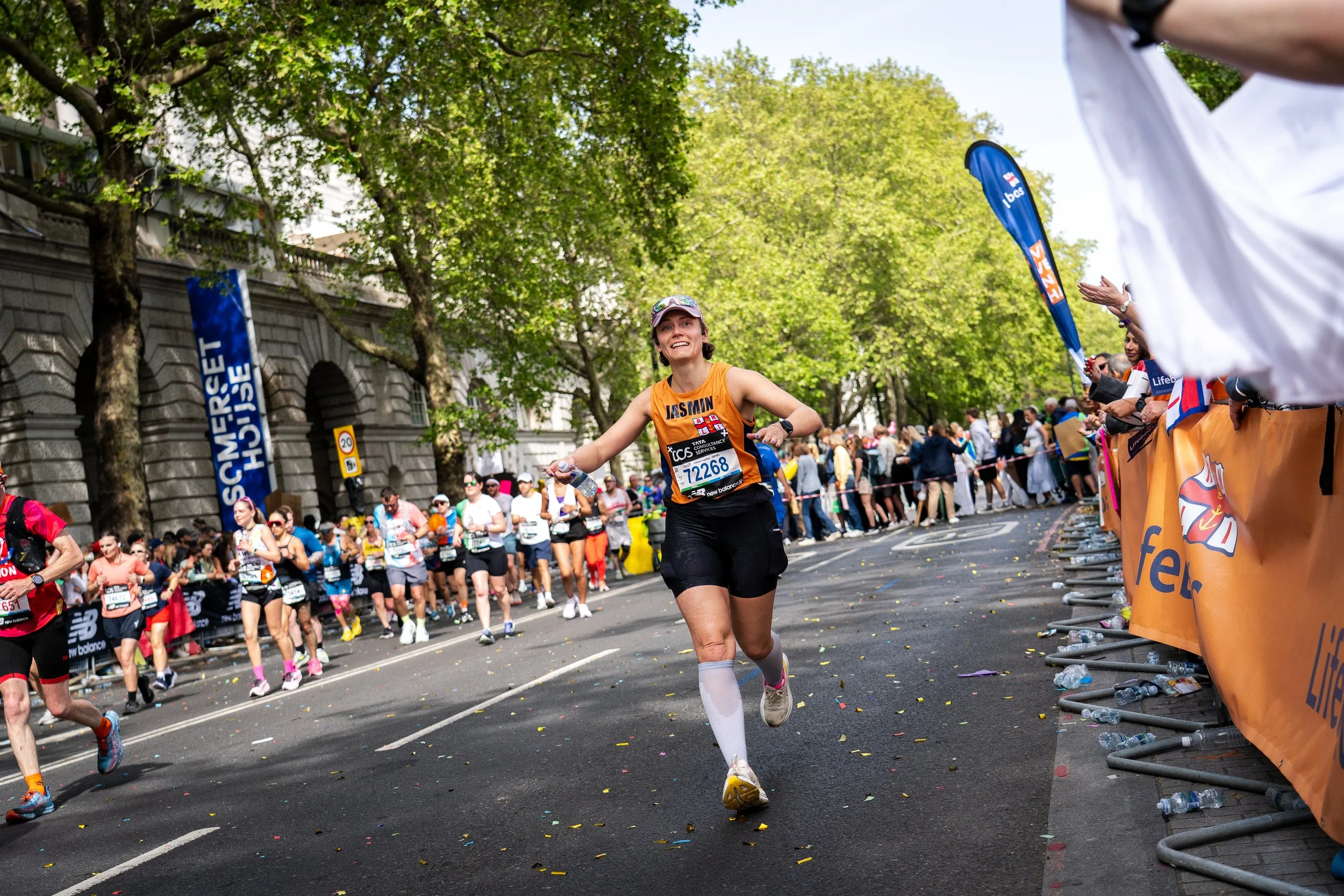
Rather than using everything in one post-event update, consider how the material could be distributed over time.
For example, you could use the content to:
Publish a post-event gallery or highlights page.
Share a highlight film with participants and sponsors.
Create a series of social media posts.
Promote early registration for the next event.
Update your website and event listings.
Produce sponsor reports and partnership presentations.
Build promotional material for future campaigns.
You may also want to create a small library of evergreen content that doesn't depend on a particular date. Images of the course, venue, event infrastructure, volunteers and wider atmosphere can be useful when promoting future editions.
Thinking about distribution before the event helps ensure you're capturing the right material in the first place.
Choosing the Right Photography and Video Partner for Your Sporting Event
Every event is different, and the right coverage should reflect its scale, objectives and practical requirements.
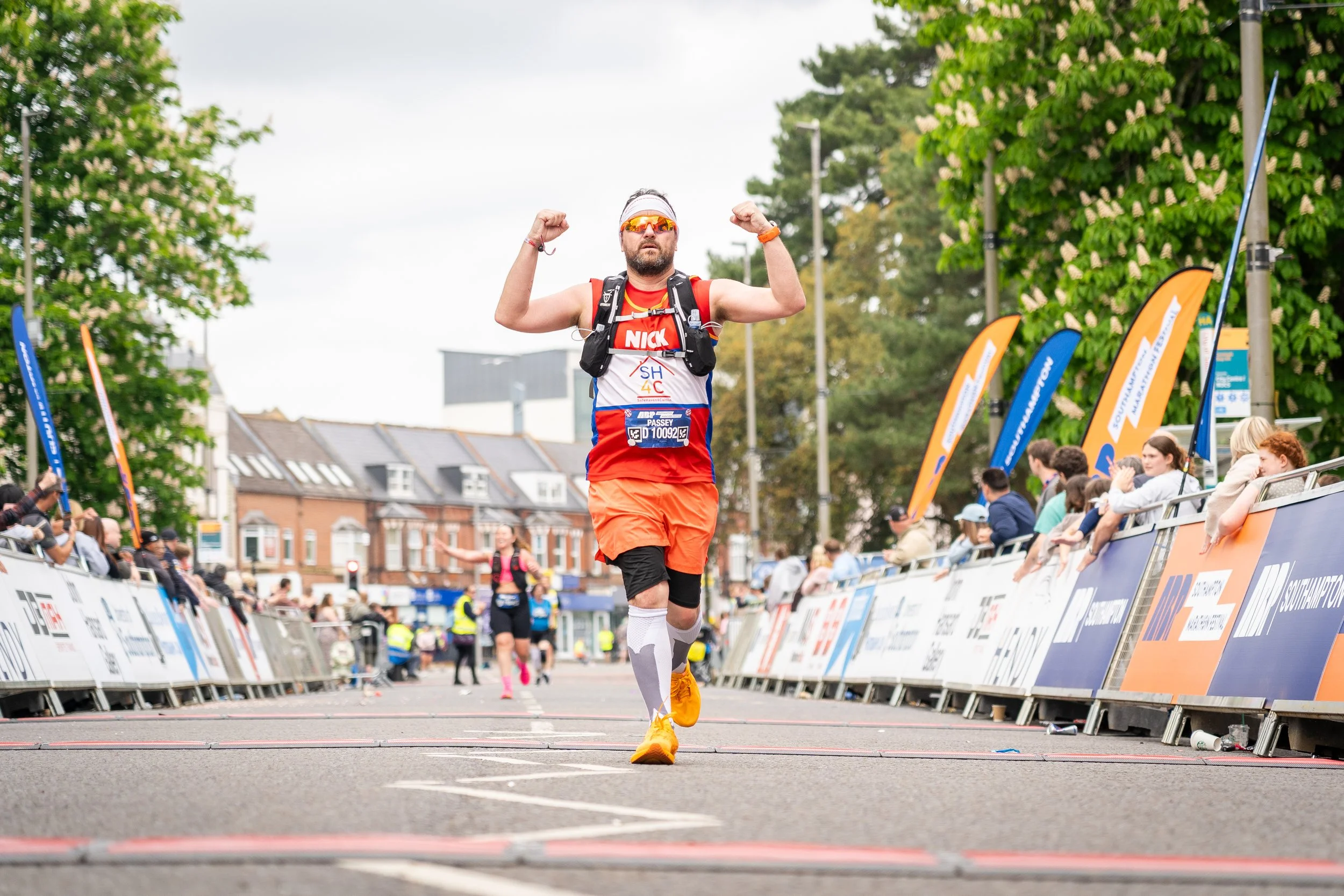
For a smaller event, a solo photographer or videographer may be all you need. For a major race or multi-location sporting event, a coordinated team can provide broader coverage and help capture simultaneous moments across the course.
When choosing a supplier, look for someone who understands the demands of event work, asks the right questions, plans around your priorities and can explain how the final content will meet your needs.
At Clark Creative, we provide photography, videography and drone services for sporting events, with flexible coverage options tailored to each brief.
Based in Bournemouth, Dorset, we work with clients locally and across the UK. Whether you're planning an endurance challenge, a mass-participation race, a cycling sportive or a sailing event, we can discuss the most suitable approach for your project.
Planning a Sporting Event? Let's Talk About Coverage
If you're organising an upcoming sporting event and need photography, video, drone coverage or a coordinated media team, we'd love to hear about your plans.
Tell us about the event, its location, the expected scale, your key priorities and how you intend to use the content.
We'll discuss your requirements and help you identify a practical approach to capturing the moments that matter.
Contact Clark Creative to discuss photography and video coverage for your next sporting event.